
How Supply Chains Can Anticipate and Mitigate the Impact of Extreme Weather
How Supply Chains Can Anticipate and Mitigate the Impact of Extreme Weather
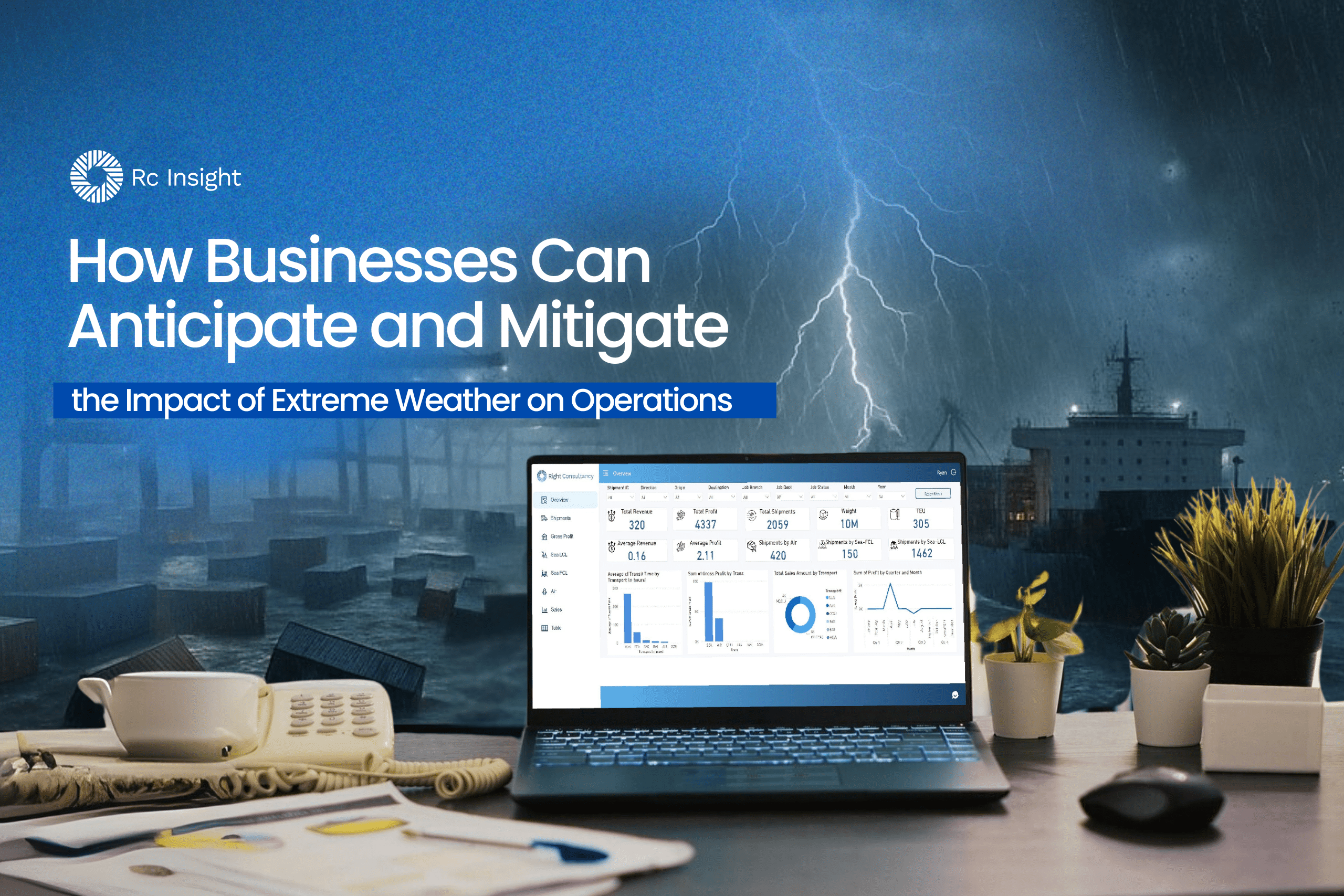
A single weather event can derail an entire logistics network. A flooded port delays shipments, a snowstorm grounds flights, a heatwave disrupts cold chain storage. In supply chains where every minute counts, extreme weather no longer feels like a one-off challenge, it has become a recurring threat.
Technology is now the strongest defense. Predictive analytics, real-time dashboards, and digital visibility platforms are transforming how logistics companies prepare for and respond to climate volatility. Instead of reacting to disruptions, supply chains can anticipate them and act with speed.
Here’s how technology is making the difference:
1. Predictive Analytics Turns Data Into ActionKnowing that a storm is coming isn’t enough. Logistics companies need to understand which routes, warehouses, or suppliers will be impacted and what the ripple effects will look like. Predictive analytics helps model these scenarios in advance, allowing companies to take action before delays hit.
For example, a global logistics operator used predictive modeling to anticipate snowstorms on its busiest freight corridors. Shipments were rerouted 48 hours ahead of the disruption, cutting downtime and protecting delivery schedules.
2. Dashboards Create Real-Time VisibilityOne of the biggest challenges in logistics is that stakeholders drivers, warehouse teams, suppliers, and customers often operate in silos. When extreme weather strikes, the lack of shared visibility slows down decision-making.
Technology solves this by putting everyone on the same page. Centralized dashboards provide a single source of truth, showing live updates on routes, shipments, and risks. During a recent typhoon season, logistics teams using such dashboards avoided confusion, coordinated reroutes seamlessly, and kept supply lines moving while competitors stalled.
3. Smarter Planning Prevents Costly FirefightingWithout foresight, disruptions often lead to expensive fixes, premium freight, idle fleets, and wasted labor hours. Advanced tools help supply chains plan ahead by simulating “what-if” scenarios for different weather events.
An automotive logistics network applied this approach before hurricane season. By identifying vulnerable suppliers and pre-planning alternate routes, it avoided costly emergency shipments and reduced excess inventory. What was once reactive firefighting became structured cost management.
4. Resilience Becomes a Competitive AdvantageExtreme weather isn’t just a disruption, it’s now a test of customer trust. Companies that deliver despite storms build loyalty, while those that fail risk losing business.
By integrating predictive analytics with real-time dashboards, logistics firms can safeguard commitments. One electronics company, facing repeated typhoons, kept production lines running by switching to backup suppliers ahead of time. Deliveries remained on track, strengthening its reputation while competitors faced weeks of delays.
The Road AheadFor supply chain and logistics companies, technology is no longer optional. Predictive analytics, real-time dashboards, and visibility tools are becoming essential for resilience. They don’t just reduce risk, they optimize costs, improve coordination, and protect customer promises.
In a world where extreme weather is unavoidable, the companies that invest in foresight and visibility will be the ones that keep moving forward.