
From Firefighting to Orchestration: How 4PL Partnerships Are Solving 2026 Supply Chain Fragmentation
From Firefighting to Orchestration: How 4PL Partnerships Are Solving 2026 Supply Chain Fragmentation
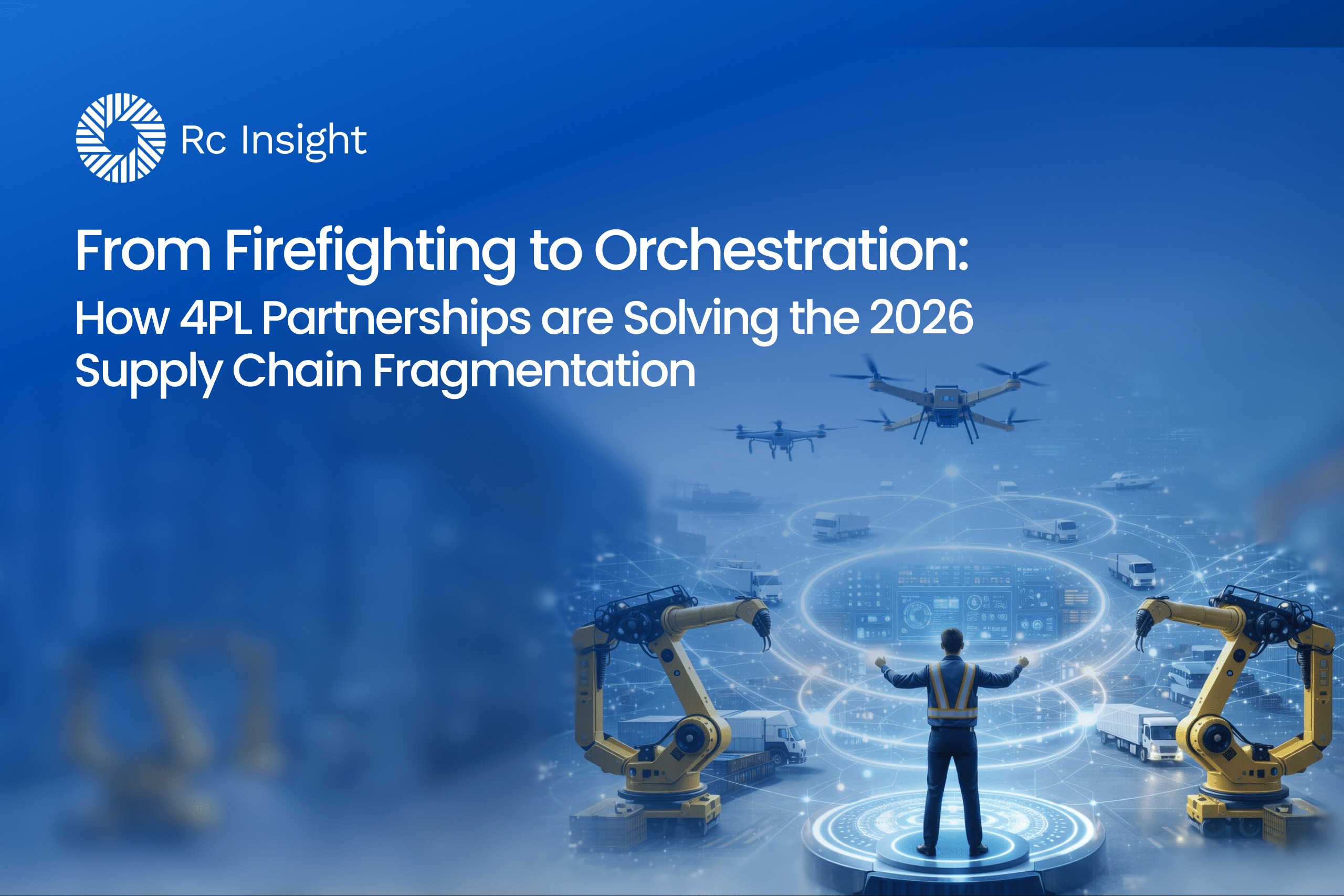 The Fragmentation Problem No One Can Ignore
In 2026, supply chains are no longer linear. They operate across multiple vendors, systems, and geographies.
Most businesses are managing disconnected functions instead of a unified operation.
Why Traditional Logistics Models Fall ShortAs networks expand, coordination becomes harder.
- Multiple partners working in silos
- Limited real-time visibility
- Disconnected technology systems
Each part may function well individually, but the overall supply chain lacks alignment.
The Operational Impact of FragmentationWithout integration, inefficiencies multiply.
- Frequent delays and service gaps
- Increased operational costs
- Poor inventory planning
- Continuous reactive decision-making
These aren’t isolated issues. They compound over time and impact profitability.
Enter 4PL: The Orchestrator, Not Just Another VendorA 4PL (Fourth-Party Logistics) partner manages the entire logistics ecosystem instead of a single function.
- Aligns all logistics providers under one strategy
- Enables end-to-end visibility
- Uses centralized data for decision-making
The focus shifts from managing activities to managing outcomes.
How Orchestration Works in PracticeBusinesses adopting 4PL models are implementing:
- Control tower systems for real-time visibility
- Integrated platforms replacing fragmented tools
- Data-driven planning for routing and inventory
This leads to better coordination and fewer disruptions.
From Reactive Operations to Predictive ControlWith centralized oversight, supply chains move from:
Reactive problem-solving → Predictive and planned execution
This reduces dependency on constant firefighting and improves consistency.
How Rc Insight Can HelpRc Insight supports businesses in identifying process gaps, improving visibility, and building structured, well-orchestrated supply chain systems that reduce inefficiencies and enable scalable growth.