
perational Intelligence: The Missing Layer Between ERP and Real-World Logistics
Operational Intelligence: The Missing Layer Between ERP and Real-World Logistics
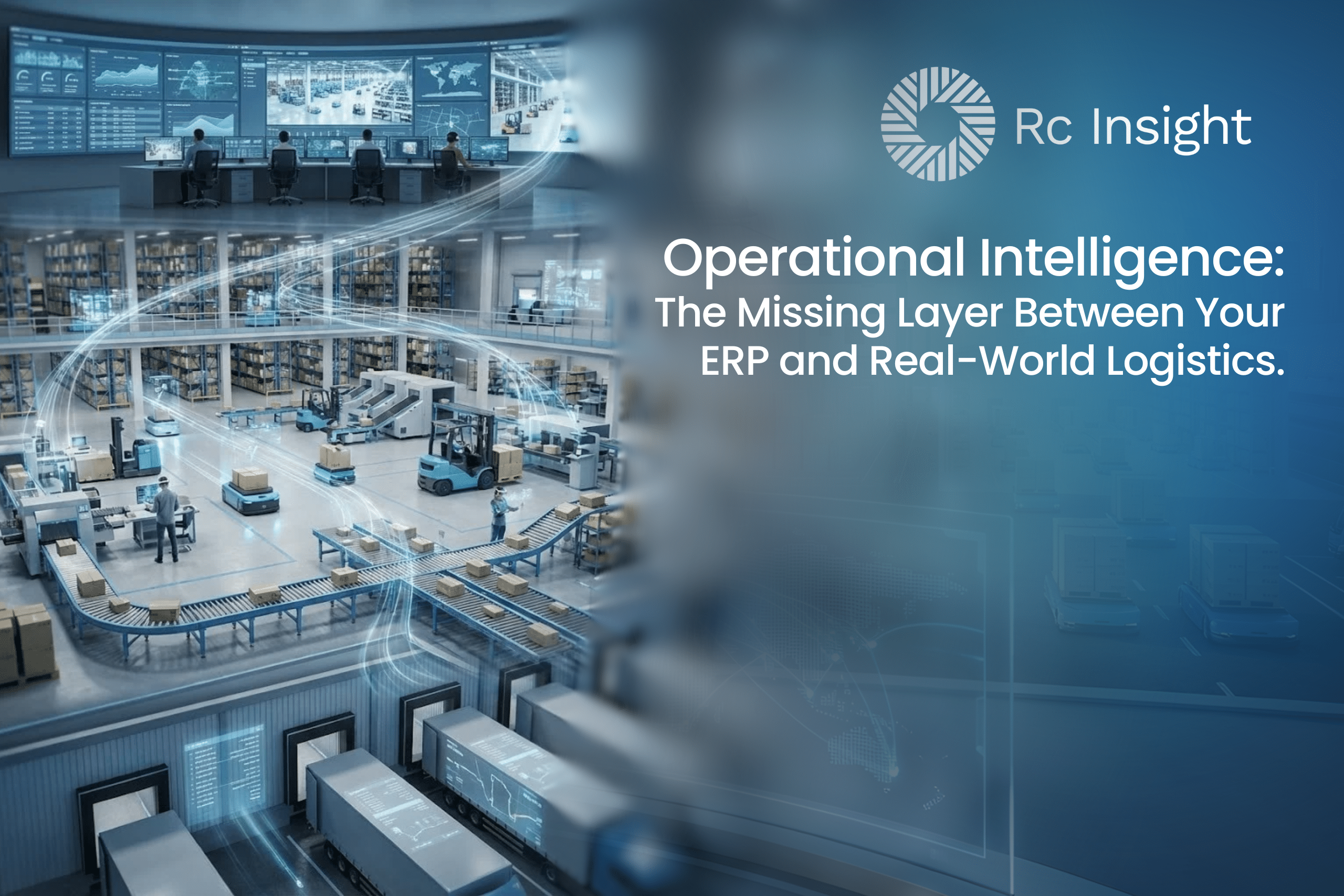
If you rely on ERP and static planning tools alone, you might be flying blind in today’s dynamic supply chains. Modern logistics face rapid changes, weather disruptions, labor shortages, or sudden demand spikes that traditional systems weren’t built to handle in real time. That’s where operational intelligence comes in. It’s an intelligence layer that bridges your systems of record and the real world, continuously pulling data from your ERP, WMS, TMS, IoT sensors and partners to give you live visibility and actionable insights.
Why ERP Alone Isn’t EnoughERP systems excel at recording what already happened inventory levels, orders, schedules. But they offer only a rearview mirror, not a window on the present. In practice, this gap shows up as surprises and manual firefighting:
- Delayed alerts: A shipment delay or equipment issue is often detected only after it’s already causing problems.
- Reactive firefights: Teams spend hours chasing data and fixing urgent issues instead of focusing on planned improvements.
- Missed opportunities: Without real-time insight, you might overlook chances to reroute a truck, rebalance stock, or adjust production on the fly.
By the time problems appear in your ERP, they may have already impacted customers and costs. The missing link is a layer that ties together live operations and business data.
What is Operational Intelligence?Operational intelligence is like a real-time brain sitting on top of your ERP and logistics systems. It constantly monitors events across your network tracking inventory, production, shipments, and even machine sensors. Then it uses analytics and machine learning to spot patterns, risks, and opportunities you might miss.
This isn’t another siloed dashboard. It’s an integrated layer that:
- Turns data into decisions: It watches raw data streams and alerts you when something needs attention.
- Spot trouble early: For example, it may sense a critical part is about to run out or a delivery is likely to be late.
- Keeps you proactive: It surfaces issues before they become crises, so your team can act confidently instead of scrambling.
Think of it as an air-traffic controller for your supply chain: constantly scanning skies, roads, and warehouses to guide operations to smoother landings.
Operational Intelligence in ActionHow does this work day-to-day? Here are a few examples of how operational intelligence can help:
- Automated alerts: If a delay or breakdown is detected, say a shipment stuck in traffic, the system notifies planners and suggests rerouting or expediting.
- Dynamic planning: When a sudden demand surge or supplier hiccup occurs, it can automatically adjust orders or production schedules on the fly.
- Inventory optimization: By analyzing sales trends and supply timelines, it predicts stockouts before they happen and triggers timely reorders or transfers.
- Resource balancing: In warehouses, it flags bottlenecks (like overloaded packing stations) and recommends reassigning staff or equipment to keep flow steady.
- Real-time metrics: It gives managers a unified view of key data (delivery times, fill rates, equipment health, etc.) in the moment, so issues are caught and addressed immediately.
In each case, operational intelligence works quietly in the background, so disruptions are handled or avoided with minimal manual effort.
The Bottom Line for LeadersAdopting operational intelligence isn’t about throwing out your ERP or adding another confusing tool. It’s about connecting what you already have to the live pulse of your operations. The payoff is big:
- Faster response: Catch issues early when they’re cheap to fix.
- Lower costs: Avoid rush fees, emergency repairs, and excess inventory.
- Better service: Meet customer promises with fewer surprises.
- Empowered people: Let your team focus on strategy instead of data wrangling
In short, operational intelligence transforms your supply chain from a collection of siloed systems into an agile, self-adjusting network. It gives leaders the clarity and confidence they need every day.
By adding this missing layer, you turn data into action and logistics into a competitive advantage. If your operations feel out of sync with the real world, it’s time to give them the intelligence they deserve.