
Why Operational Calm Is Becoming a Competitive Advantage in Logistics
Why Operational Calm Is Becoming a Competitive Advantage in Logistics
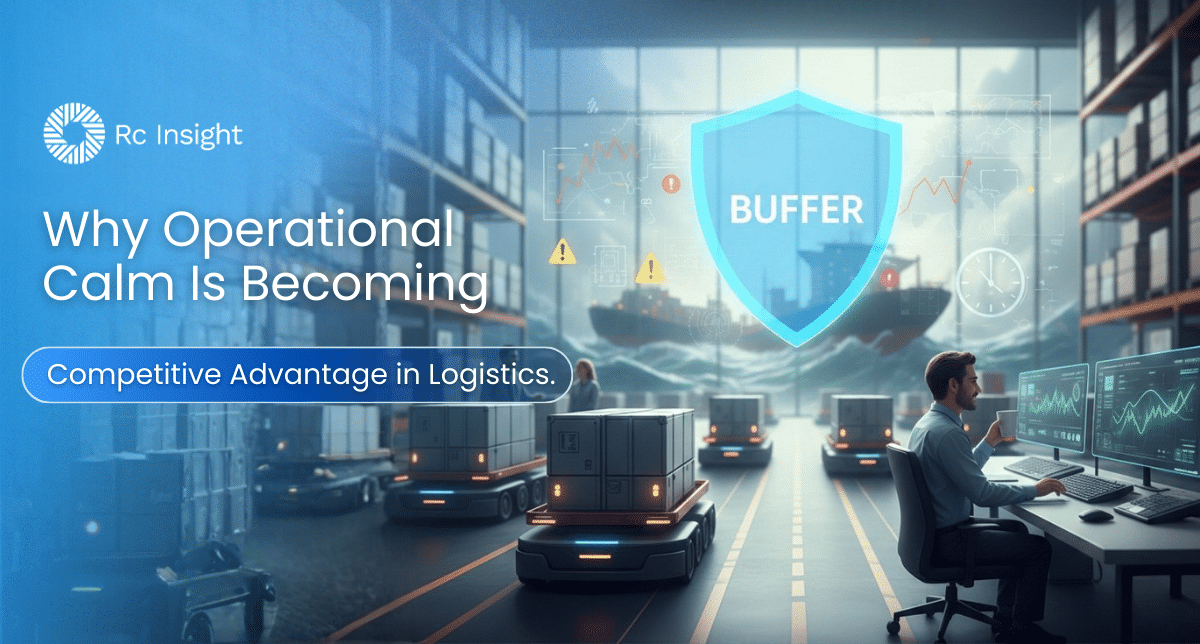
For decades, logistics success has been defined by speed. Faster delivery windows, tighter cut-off times, and rapid fulfillment became the industry’s gold standard. The assumption was simple: faster always meant better.
Today, that assumption is being challenged.
In a market obsessed with speed, the brands consistently outperforming their peers are not those creating more urgency. They are the ones creating predictability. Operational calm once seen as a byproduct of efficiency is now emerging as a deliberate and powerful competitive advantage.
The Limits of a Speed-First MindsetSpeed has undoubtedly reshaped logistics. Same-day and next-day delivery raised expectations and pushed supply chains to evolve rapidly. But speed without structural stability has also exposed critical weaknesses.
When operations are constantly rushed:
- Errors increase across picking, packing, and dispatch
- Return rates rise due to mis-shipments and rushed fulfillment
- Overtime and burnout become routine
- Decision-making turns reactive rather than strategic
What looks like high performance often hides fragility. Systems built purely for speed struggle under volume spikes, disruptions, or minor delays. Instead of absorbing variability, they amplify it.
As supply chains grow more complex, this fragility becomes expensive.
What Customers Actually Value Has ChangedCustomer expectations have matured. Speed still matters but reliability matters more.
Customers increasingly prioritize:
- Clear delivery promises
- Accurate timelines
- Consistent execution
- Transparent communication when delays occur
A slightly longer delivery that arrives as promised builds more trust than a fast delivery that misses its window. Predictability reduces anxiety, while unpredictability erodes confidence.
This shift forces logistics leaders to rethink competitive differentiation. The question is no longer how fast a system can move on a good day, but how reliably it performs every day.
What Operational Calm Really MeansOperational calm is not about slowing down. It is about removing unnecessary volatility from execution.
A calm operation is one that:
- Anticipates demand instead of reacting to it
- Absorbs disruptions without cascading failures
- Operates on shared, real-time visibility
- Maintains steady workflows even during peak periods
Calm is designed through planning, process discipline, and data not luck. It replaces firefighting with foresight and urgency with clarity.
When operations are calm, teams focus on execution rather than exception management.
Operational Calm in ActionAcross logistics and supply chains, organizations that prioritize predictability are seeing measurable advantages.
Manufacturers with stable transportation planning reduce reliance on emergency freight by improving forecasting accuracy and contract discipline. Instead of scrambling for capacity, they secure it in advance lowering costs and improving service levels.
Enterprises using centralized visibility platforms detect disruptions early and respond before delays escalate. Decisions are made proactively, not under pressure, allowing operations to stay controlled even in volatile conditions.
Retailers that smooth inventory flows through demand-driven replenishment experience fewer stockouts and less overstock. Their fulfillment operations remain stable during promotions and seasonal surges because volume is anticipated, not chased.
In each case, performance improves not through acceleration, but through alignment.
The Business Impact of Calm Operations Reduced Errors and WasteStable workflows lower error rates. When teams are not constantly rushing, accuracy improves and rework declines.
Higher Customer TrustConsistency builds confidence. Customers who receive reliable service are more likely to return, even if delivery is not the fastest available.
Stronger Cost ControlOperational calm reduces premium freight, overtime labor, and last-minute fixes. Over time, this has a significant impact on margins.
Better ScalabilityPredictable systems scale more effectively. Volume growth does not automatically translate into operational chaos
Greater ResilienceCalm operations recover faster from disruptions. Visibility and preparedness allow teams to respond methodically instead of reacting emotionally.
Technology as an Enabler of CalmOperational calm is increasingly powered by technology.
Advanced forecasting improves demand accuracy. Real-time visibility ensures all teams operate on the same information. Automation reduces human variability. Integrated systems remove silos that cause misalignment.
Together, these tools shift logistics from reactive execution to proactive orchestration. The result is not just faster decisions but better-timed decisions.
Calm as a Strategic AdvantageOperational calm is not passive. It is a strategic choice.
The most competitive logistics organizations are redefining excellence. They are designing systems that prioritize rhythm over rush, foresight over firefighting, and confidence over chaos.
In an environment where volatility is constant, calm becomes rare and therefore valuable.
Speed may win attention. Predictability wins trust. And trust is what sustains long-term advantage.